Can skill outplay luck in casino environments?
- admin
- 0
- on Sep 02, 2026
The Role of Luck in Casinos
Luck is often considered the driving force behind most casino games, making it a central theme in gambling culture. Traditional games like slots, roulette, and even certain card games exemplify how outcomes can be heavily influenced by random chance. For instance, players at a slot machine have no control over the symbols that align, turning each play into a matter of pure luck. While some may argue that strategies can enhance the experience, the unpredictable nature of these games means that luck predominantly dictates the outcome, often leaving players at the mercy of fortune, especially when they engage with australian online casino platforms that offer a variety of options.
Casinos are meticulously designed to capitalize on this element of chance, creating an environment where players might feel compelled to keep trying their luck in hopes of a big win. This aspect is particularly evident in the way games are structured, with house edges ensuring that, over time, the casino will retain a portion of every bet placed. Consequently, even the most talented players must occasionally confront the harsh reality that results can hinge dramatically on luck, sometimes rendering skill and strategy secondary to the whims of chance.
The allure of luck is not limited to novice gamblers; even seasoned professionals acknowledge that it plays a significant role in their outcomes. For example, in poker, certain hands may provide a player with a strong advantage, but the randomness of card dealing can lead to unexpected twists and turns. This interplay between luck and skill is what keeps players engaged, as they navigate the unpredictable waters of games of chance, often leading to memorable experiences that highlight the thrill of the gamble.
The Influence of Skill in Gambling
While luck is a fundamental element in many casino games, skill can significantly enhance a player’s chances of success, particularly in games like poker and blackjack. In poker, for instance, strategic decision-making, reading opponents, and understanding probabilities can lead to better outcomes than mere chance. A skilled player who knows how to bluff effectively or assess the strength of their hand can consistently outperform less experienced competitors. This showcases the potential for skill to tip the scales, making it an essential component for those serious about improving their game.
Blackjack also exemplifies how skill can tip the scales in favor of the player. Utilizing strategies such as card counting or basic strategy charts allows players to understand when to hit, stand, or double down, ultimately improving their odds against the house. Unlike games purely based on chance, these strategies highlight how an informed approach can mitigate luck’s influence, showcasing the importance of skill in a casino environment. The ability to make calculated decisions can turn the tide, providing players with a sense of empowerment amidst the chaos of chance.
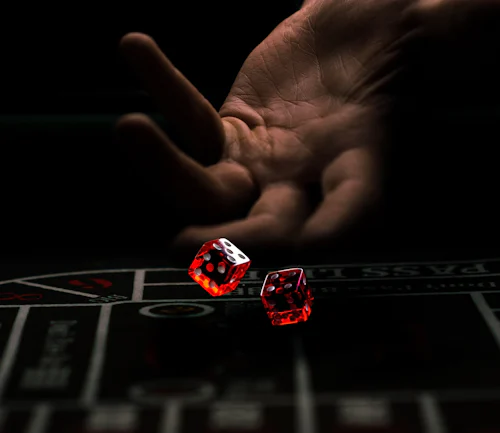
However, it is essential to recognize that even the most skilled players cannot completely eliminate luck from the equation. In any given session, unexpected events, such as receiving unhelpful cards or facing a formidable opponent, can disrupt even the finest strategies. Therefore, while skill undeniably plays a crucial role in certain games, it must work in tandem with the unpredictable nature of luck, emphasizing the need for adaptability and resilience in the face of uncertainty.
The Balance Between Skill and Luck
Finding the right balance between skill and luck is critical in gambling, as it shapes players’ experiences in the casino. Games like baccarat and craps rely heavily on chance, while others, such as poker and blackjack, allow for a more strategic approach. Players often gravitate toward games that align with their personal strengths, whether they prefer the thrill of chance or the intellectual challenge posed by strategic betting. This preference influences their overall enjoyment and commitment to mastering specific games.
This balance can also change based on the player’s experience level. New players often rely more on luck, having less knowledge of strategies, while seasoned gamers typically apply their expertise to enhance their success. This shift in approach illustrates how developing skill over time can lead to a greater appreciation for the intricacies of various games, ultimately redefining how players view luck in the casino environment. As players become more experienced, they tend to seek out opportunities that allow their skills to shine, reshaping their gambling strategies accordingly.
Moreover, this interplay between luck and skill can create engaging narratives within the casino. Stories of professionals overcoming odds highlight the triumph of skill over luck, while tales of amateur players hitting jackpots showcase the unpredictable nature of gambling. This duality not only captivates regular players but also serves to attract new participants to the world of gambling, as they are drawn in by the promise of both skillful play and the sheer thrill of chance. These narratives contribute to the allure of the casino, making it a vibrant playground for both skillful strategists and lucky novices.
The Psychological Aspect of Luck and Skill
The psychological dynamics at play in casino environments significantly affect how players perceive luck and skill. Many gamblers are driven by the thrill of chance, often enjoying the suspense built by uncertainty. This psychological pull can lead players to chase losses or engage in behaviors such as “hot” or “cold” streaks, where they believe their luck will change based on recent outcomes. Such beliefs can overshadow their understanding of the role that skill can play, leading to emotional decision-making that may not align with rational strategies.

On the other hand, skilled players tend to operate under a more analytical mindset. They often assess situations critically, focusing on statistics and probabilities to make informed decisions. This approach can create a sense of control in an inherently unpredictable environment, helping them remain calm and composed during turbulent game sessions. By understanding the limits of luck, these players can adopt a more measured approach to their gambling experiences, ensuring that their actions are guided by logic rather than emotion.
These psychological factors intertwine with the social aspects of casino environments, as players often share stories of their biggest wins and losses with others. The thrill of recounting a winning hand in poker, supported by strategic thinking, can reinforce the perception that skill can indeed outplay luck. This communal aspect of gambling further complicates perceptions, as narratives surrounding luck and skill are continuously shaped by the experiences and beliefs of players from diverse backgrounds. This social interaction can foster a sense of community, where shared experiences enhance the overall gambling atmosphere.
Conclusion: The Ongoing Debate
The debate over whether skill can outplay luck in casino environments will likely continue for as long as gambling exists. Many players have their own belief systems informed by personal experiences, leading to varied conclusions about the influence of luck versus skill. For some, the thrill of random outcomes is what draws them to the casino, while others find satisfaction in mastering skills that can enhance their success. This diversity of perspectives reflects the rich tapestry of the gambling world, where both elements coexist and contribute to the overall experience.
As casinos evolve, offering a mix of games that cater to both skill-oriented players and those seeking straightforward luck-based experiences, the landscape of gambling will continue to shift. This ongoing evolution ensures that players will retain a fascination with both aspects of their favorite pastimes, regardless of the ultimate balance between luck and skill in determining outcomes. The adaptability of the casino industry serves to keep players engaged, constantly seeking new experiences that challenge their understanding of luck and skill.
As players engage with this debate, they can explore various games and strategies to discover their preferences. Whether they choose to rely on luck, hone their skills, or find a balance between the two, the world of gambling provides endless opportunities for exploration and engagement. Understanding this dynamic can enhance their experience, making each visit to the casino a unique adventure filled with possibilities. In this intricate dance of chance and strategy, players discover not only the thrill of the game but also insights into their own decision-making processes and psychological tendencies.